Breed snapshot
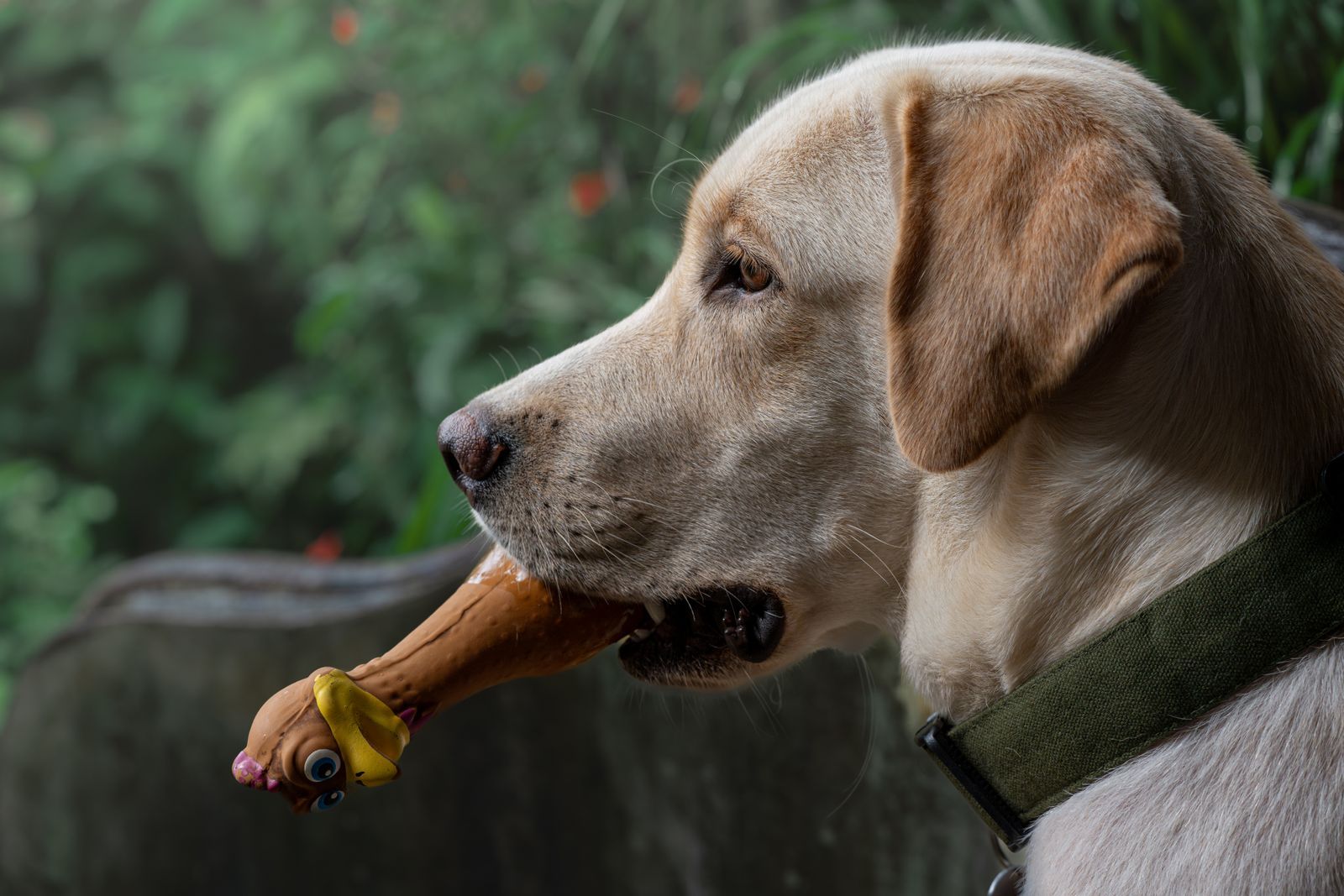
The Labrador Retriever is a sporting dog developed to retrieve in cold water for long hours. That history is still visible in the modern Lab. The dog is strongly built, short coupled, and athletic, with a dense water resistant coat, webbed feet suited to swimming, and an appetite and energy level to match the work. Labs are famous family dogs, and they are also large, powerful adolescents who need real exercise, training, and portion control to stay sound.
| Height | Males 22.5 to 24.5 inches. Females 21.5 to 23.5 inches. |
|---|---|
| Weight | Males 65 to 80 pounds. Females 55 to 70 pounds. |
| Lifespan | 11 to 13 years |
| Coat | Short, dense, weather resistant double coat. Recognized colors are black, yellow, and chocolate. |
| Temperament | Friendly, active, and outgoing. Eager to please, intelligent, and high spirited. |
| Energy and exercise | High energy sporting breed. Needs substantial daily exercise and mental work. Loves swimming and retrieving. |
For insurance, three snapshot facts do most of the work. First, this is a large dog, so surgery, anesthesia, imaging, and medication are priced at large dog scale. Second, this is an athletic dog that runs, jumps, twists, and swims hard, which raises injury exposure in the young and middle years. Third, this is a dog with a well documented pull toward weight gain, and weight touches almost every other condition in this guide.
Health tendencies and what to check
The AKC describes Labradors as healthy dogs overall, with a screening list that responsible breeders use for hips, elbows, eyes, and DNA tested conditions. The tendencies below combine that screening picture with the problems vets see most in pet Labs, including cruciate ligament injury and recurring ear infections. These are tendencies. Breeding, weight, conditioning, and plain luck all change the outlook for any one dog.
This section is general information only. It is not veterinary advice, and it is not a diagnosis for any dog. Signs listed here can have many causes. Only a veterinarian who examines your dog can say what a sign means and what care is needed.
Hip and elbow dysplasia
What it is
Dysplasia means a joint develops with a poor fit. In hip dysplasia, the ball and socket of the hip are loose and wear unevenly. The Merck Veterinary Manual describes hip dysplasia as abnormal development of the hip joint characterized by joint laxity and later degenerative joint disease and osteoarthritis, most common in large breed dogs. Elbow dysplasia is a group of developmental elbow problems that damage the joint surface and lead to arthritis, often in young, fast growing large dogs. Both conditions sit at the top of the AKC screening list for Labradors, and both can affect one side or both.
Signs owners may notice
- Stiffness after rest, trouble rising, or a bunny hopping gait when running, with both back legs moving together.
- Front leg lameness, a nodding head when walking, or stiffness after exercise that fits elbow trouble.
- Reluctance to climb stairs, jump, or keep up on long walks, and muscle loss over the hips or shoulders in longer standing cases.
- Signs that come and go in a growing puppy, then settle into a clearer pattern.
When it can be urgent
Dysplasia is rarely an emergency by itself. A dog that suddenly cannot bear weight, cries out, or has a limb at an abnormal angle after a fall or collision needs same day care for a possible fracture or dislocation.
How vets usually evaluate and treat it
Vets generally start with an orthopedic exam and X rays, sometimes under sedation for accurate positioning and measurement. Screening systems such as hip scoring exist for breeding dogs, and your vet can explain any results your breeder provided. Care categories include strict weight control, activity modification, controlled exercise and rehabilitation, pain and anti inflammatory medication categories, and monitoring. Surgical options exist for selected dogs, from procedures in young dogs in narrow cases to salvage and replacement options in adults at referral centers. Age, imaging, pain, and function drive the choice.
Practical detail: Photograph your puppy growth and keep breeder hip and elbow scores with your vet records. If a claim is ever questioned, parent screening plus a clean puppy record is strong context.
Cruciate ligament injury
What it is
The cranial cruciate ligament is a key stabilizer inside the knee, called the stifle in dogs. It is the counterpart of the ACL in people. The American College of Veterinary Surgeons describes cranial cruciate ligament disease as one of the most common reasons for hind limb lameness, pain, and later knee arthritis in dogs, and notes that the problem is usually a mix of ligament degeneration, body weight, conditioning, genetics, conformation, and breed, rather than one clean accident. In a Lab, the ligament often weakens over time and then fails during ordinary activity, such as turning sharply while running. A partial tear can progress to a complete rupture, and the meniscus, the cartilage pad inside the knee, can be damaged as well.
Signs owners may notice
- Sudden hind leg lameness, holding the leg up or toe touching while standing.
- Sitting with the affected leg stuck out to the side instead of tucked under the body.
- Difficulty rising, trouble jumping into a car or onto furniture, and stiffness after rest.
- A limp that improves over days, then returns after exercise. Intermittent lameness still deserves an exam.
- Thickening around the knee or thigh muscle loss on the affected side in longer standing cases.
When it can be urgent
A cruciate injury is painful and should be seen promptly, usually the same day or the next day, and sooner if the dog cannot bear any weight, the knee is swollen, or there was trauma such as a fall or a collision. A locked or clicking knee with sudden worsening can signal meniscus damage and should not be walked on for a week to see.
How vets usually evaluate and treat it
Vets generally examine the knee for abnormal motion using palpation tests for instability, often with sedation if the dog is painful or tense, and take X rays to assess the joint and plan treatment. The ACVS notes that surgery is typically the best treatment to permanently control knee instability, while conservative care is considered in selected cases based on size, age, activity, and instability. Surgical categories include osteotomy procedures that change the geometry of the shin bone, such as TPLO, and suture based stabilization procedures. After surgery, care includes strict activity restriction, pain control, recheck X rays in many cases, and a staged rehabilitation program with controlled leash walking and strengthening. Weight control is part of treatment, not an extra.
Practical detail: Learn the sit test at home. A Lab that starts sitting with one leg out to the side, every time, is telling you something worth an exam, even on a day when the limp looks mild.
Obesity, as a health driver
What it is
Obesity means excess body fat that harms health, and Labradors are the textbook example of a breed prone to it. Appetite is part of the story. Research on Labradors identified a deletion in the POMC gene, a gene involved in appetite and energy regulation, that is associated with greater weight, body fat, and food motivation in affected dogs, and the finding is reported in the peer reviewed paper listed in the sources. Not every Lab carries the variant, and no gene forces a dog to gain weight. Food amount, treats, table scraps, activity, neutering, age, and joint pain that reduces exercise all feed the same outcome. Obesity earns its own card here because it drives other claims. Extra weight loads hips, elbows, and knees, worsens arthritis pain, raises anesthesia and surgical risk, and makes rehabilitation slower.
Signs owners may notice
- Ribs that are hard to feel under a layer of fat, loss of a visible waist from the side and from above, and a sagging belly.
- Reluctance to exercise, lagging on walks, and heavy panting with modest effort.
- A vet body condition score above the ideal range at a routine visit. Ask for the score and the target weight in writing.
- Joint stiffness that improves when weight comes down, a common pattern owners report.
When it can be urgent
Weight gain by itself is not an emergency. Rapid weight gain with a swollen belly, sudden weight loss, a sharp rise in thirst and urination, or breathing trouble needs prompt care, because those signs can point to a different medical problem that happens to change weight.
How vets usually evaluate and treat it
Vets generally weigh the dog, assign a body condition score, review the exact diet including treats and chews, and rule out medical contributors when the history suggests them. Care categories include a measured feeding plan, a prescription weight management food in selected cases, scheduled weigh ins, activity plans that protect sore joints, and treatment of the joint or other conditions that limit exercise. There is no shortcut visit that fixes weight. The plan works over months, and the vet record will document the weights along the way.
Practical detail: Weigh food with a kitchen scale instead of a scoop for one month. Owners are often surprised by the gap, and that gap is the weight plan in miniature.
Exercise induced collapse
What it is
Exercise induced collapse, or EIC, is an inherited neuromuscular condition studied most in Labradors. The University of Minnesota Canine Genetics Lab, which identified a mutation in the dynamin 1 gene, called DNM1, that is highly associated with the condition, describes the pattern clearly. Affected dogs can often handle mild to moderate exercise. After a short period of strenuous exercise combined with high excitement, an affected dog can develop rear leg weakness and incoordination and can collapse. Episodes are typically not painful, the dog usually stays alert, and recovery generally follows rest. The condition is inherited in a recessive pattern, so a dog needs two copies of the mutation to be susceptible to the classic syndrome. A DNA test exists, and breeders use it as part of the breed screening picture.
Signs owners may notice
- A wobbly, wide, or rocking rear leg gait that appears during intense, exciting exercise such as hard retrieving or field work.
- Rear legs that weaken, drag, or give out, sometimes progressing to collapse while the dog remains aware of its surroundings.
- Recovery after a period of rest, with the dog acting close to normal again.
- Collapse can have many causes, including heat illness, heart problems, low blood sugar, and seizures. EIC should never be assumed from breed and a collapse alone.
When it can be urgent
How vets usually evaluate and treat it
Vets generally take a detailed history of the episode, including the activity, excitement level, weather, and recovery, and examine the dog for heart, lung, metabolic, and neurologic causes. Testing categories can include bloodwork, heart evaluation, and a DNA test for the DNM1 mutation through a veterinary genetics laboratory. There is no medication that cures EIC. Management is built on recognizing the trigger pattern, stopping exercise at the first sign of wobbliness, avoiding the most intense and exciting activities for susceptible dogs, and keeping the dog fit without pushing into collapse.
Practical detail: Video any wobble episode from the side if you can do so safely, and note the activity, excitement, and weather. A short video gives the vet more to work with than a description after the fact.
Ear infections (otitis externa)
What it is
Otitis externa is inflammation of the outer ear canal, and the Merck Veterinary Manual owner edition calls it the most common disorder of the ear canal in dogs. Labs are set up for it. They have floppy ears that limit air flow, they swim and retrieve in water, and many have allergic skin disease that inflames the ear canal as well. Bacteria and yeast that normally live in small numbers in the ear can overgrow in an inflamed, moist canal. One infection is a nuisance. A pattern of infections is often a sign of an underlying cause, most often allergy, that needs its own plan.
Signs owners may notice
- Head shaking, ear scratching, and rubbing the head on the floor or furniture.
- Redness, swelling, discharge, and a noticeable odor from one or both ears.
- Pain when the ear is touched, or a dog that pulls away during ear handling.
- A swollen, puffy ear flap, which can follow vigorous head shaking and needs prompt care.
When it can be urgent
See a vet promptly for any ear infection, and the same day if there is a swollen ear flap, a head tilt, loss of balance, walking in circles, or signs the infection has moved deeper. Those deeper signs change the treatment and the urgency.
How vets usually evaluate and treat it
Vets generally look in the canal with an otoscope, check whether the eardrum can be seen and is intact, and take a swab of discharge for cytology, meaning a microscope check that distinguishes bacteria, yeast, and other findings. The Merck guidance stresses finding and correcting the underlying causes, because unless every cause is treated the condition often returns. Care categories include professional ear cleaning, topical ear medication matched to the cytology, pain relief, recheck exams to confirm the infection cleared, and treatment of allergy or another primary cause when infections repeat. Surgery is reserved for severe, chronic canal disease that no longer responds to medical care.
Practical detail: Keep a simple ear calendar. Date each infection, the medication used, and the recheck result. Three dated entries turn a vague history of ear trouble into a pattern a vet, and an insurer, can read.
Eye conditions: progressive retinal atrophy
What it is
Progressive retinal atrophy, or PRA, is a group of inherited diseases in which the retina slowly degenerates and vision is progressively lost. In Labradors, the best known form is progressive rod cone degeneration, a form in which the light sensing cells fail over time. The condition is painless, affects both eyes, and is on the breed eye screening picture. DNA testing exists for known forms and is used by breeders. Other eye problems are also screened for in the breed, including cataracts and retinal dysplasia, but PRA is the condition that most changes long term planning, because vision loss is gradual and permanent.
Signs owners may notice
- Hesitation in dim light or at night, bumping into objects in low light, and reluctance on evening walks or dark stairs. Night vision usually fails first.
- Increasing clumsiness in unfamiliar places while the dog copes well at home, where the layout is memorized.
- Dilated pupils and increased eye shine in photographs or bright light in later stages.
- Vision signs overlap with cataracts, glaucoma, and neurologic disease. A red or painful eye is never a wait and watch PRA sign.
When it can be urgent
How vets usually evaluate and treat it
Evaluation generally includes a full eye exam and referral to a veterinary ophthalmologist, who can examine the retina with specialized equipment and may use additional retinal testing in selected cases. DNA results, when available, help explain risk but do not replace an eye exam. There is no treatment that restores retinal function lost to PRA. Care focuses on confirming the diagnosis, ruling out treatable eye disease, home safety, keeping furniture and routines consistent, and monitoring for secondary problems such as cataracts.
Practical detail: Teach a reliable recall and a settle cue before vision changes, not after. Voice and touch cues learned early become the safety system a dog with PRA will use later.
Policy decision table
Read any Lab policy in this order. The first three rows decide most of the money in this breed.
| Policy feature | Why it matters for a Labrador Retriever | Stronger wording looks like | Watch out for |
|---|---|---|---|
| Bilateral condition clause | Hips, elbows, and cruciate ligaments are paired, and Labs have tendencies in all three pairs. | Each side judged on its own record, with a narrow and clearly written bilateral rule. | The second side treated as pre-existing because the first side was ever lame, imaged, or treated. |
| Cruciate waiting period and coverage | Cruciate disease is a common, expensive Lab claim that often arrives in the active middle years. | A stated cruciate waiting period you can plan around, with surgery and rehabilitation both covered. | A long cruciate waiting period in the fine print, or rehabilitation excluded after cruciate surgery. |
| Hereditary condition coverage | Dysplasia, EIC, and PRA are inherited. A hereditary exclusion removes core Lab risks. | Hereditary and congenital conditions covered without a restrictive named list. | Hereditary coverage with an age cutoff for enrollment or a low schedule for named conditions. |
| Orthopedic waiting periods in general | Puppy growth, early dysplasia signs, and young adult injuries all cluster near enrollment. | Waiting periods stated in the summary, with any vet exam waiver explained in writing. | Different clocks for accidents, illness, orthopedic, and cruciate that are never shown in one place. |
| Chronic condition renewal terms | Arthritis, allergies, and recurring ear disease run for years and cross renewals. | A covered condition stays covered at renewal for the life of the policy. | Annual reset wording, or a rule that each policy year treats the same condition as new. |
| Annual limit and deductible structure | One knee surgery plus a year of joint and ear care can land in the same policy year. | A limit tested against a surgery year, and a deductible structure you understand before you claim. | A per condition deductible repeated across hips, elbows, knees, and ears in one year. |
| Rehabilitation and exam fees | Lab joint care is a chain of exams, rechecks, imaging, and rehab visits, not one invoice. | Exam fees, rechecks, imaging, and rehabilitation listed as covered categories. | Exam fees excluded on every visit, which quietly taxes a breed with repeat visits. |
| Pre-existing condition definition | One puppy limp, one ear infection, or one weight note can be cited years later under a broad definition. | A definition tied to signs and treatment, with a stated cure period for curable conditions. | Any sign, however minor and untreated, counted as pre-existing with no path back to coverage. |
Puppy, adult, and senior stages
Puppy: growth, training, and clean enrollment
Enroll a Lab puppy as early as the policy allows, ideally right after the first vet visit and before any health note exists. Ask the breeder for hip and elbow screening results for the parents, the eye exam records, and DNA results that can include EIC status, and file them. Puppy care for a large breed centers on controlled growth. Your vet will advise on a large breed puppy diet, measured portions, and avoiding forced running and repetitive jumping while growth plates are open. Those choices matter for joints, and so does the insurance calendar. Accident, illness, orthopedic, and cruciate waiting periods all have to pass. A limp documented during a waiting period can follow that joint. Read our waiting periods guide before you enroll, not after the first limp.
Adult: weight, conditioning, and the injury years
The adult Lab years are when cruciate injuries, ear infections, and weight gain do their work. Keep the dog lean and fit with regular, progressive exercise rather than quiet weekdays and explosive weekends, which is a classic setup for a knee injury in a deconditioned dog. Stop exercise and call the vet if a dog shows rear leg wobbliness during intense activity, rather than pushing through it. Keep a simple log of limps, ear flare dates, weights, and medications. Insurers decide claims from the vet record, and a clear record of a first sign protects you from a claim that a condition started earlier than it did. If you are tempted to switch policies for a lower premium, weigh the reset. Everything noted under the old policy can be pre-existing under the new one.
Senior: arthritis management and honest limits
In the senior years, the joint tendencies become daily management. Arthritis from dysplasia or an old cruciate injury is handled with weight control, medication, activity adjustment, and rehabilitation, month after month. That is exactly the pattern chronic renewal wording decides. Senior Labs also need the general vigilance any large aging dog needs, including prompt checks of new lumps, appetite change, and weight loss. For insurance, review the limit and premium path before the senior years arrive. A policy that fits at age two but is dropped at age nine leaves the most predictable joint care, and the least predictable emergencies, entirely on the household.
A hypothetical claim, step by step
The example below is hypothetical. It does not describe a real dog, a real insurer, or a promise of payment. It follows a cruciate ligament injury through surgery and rehabilitation, because that is the claim Lab owners ask about most. Amounts are intentionally not shown. General reimbursement mechanics are explained in what pet insurance costs and why.
Before the visit: a limp with a history
A four year old Lab comes up lame on a back leg after chasing a ball, toe touching at rest and sitting with the leg out to the side. The policy has been in force since puppyhood. The cruciate waiting period passed long ago, there is no earlier knee note in the record, and the dog is at a healthy weight documented at the last wellness visit. The owner notes the date, the activity, and that this is the first knee sign, and rests the dog instead of walking it off for a week.
The vet visit and diagnosis records
The vet examines the knee, finds instability on palpation tests consistent with cruciate ligament injury, and takes X rays. The record includes the exam findings, the imaging, the diagnosis of cranial cruciate ligament disease with a suspected partial or complete tear, and a surgical referral recommendation. The owner asks for copies of the full record and the X ray report the same day.
Checking waiting period and bilateral status
Before surgery, the owner confirms three facts in writing. The cruciate waiting period is satisfied. This knee has no pre-existing history. The other knee has never shown signs, and the owner rereads how the bilateral clause would treat it in the future. If surgery is scheduled at a referral hospital, the owner also confirms that referral and specialist care are covered categories.
Surgery, payment, and documents
The surgeon performs a TPLO procedure to stabilize the knee and checks the meniscus during surgery. Most pet insurance reimburses the owner, so the owner pays the hospital and keeps the itemized invoice showing the surgery, anesthesia, implants, hospitalization, and medication as separate lines, plus the surgery report and proof of payment. Itemization matters, because vague single line invoices are a common cause of claim questions.
Submitting the claim
The owner submits the claim form with the itemized invoices, the complete vet and surgical records, the imaging reports, and the discharge instructions. Submitting the rehabilitation plan at the same time, when rehab is prescribed, helps the insurer see the full course of treatment. Keep a copy of everything and a note of the submission date.
How reimbursement works in general
In general, an eligible claim is processed against the policy settings. The deductible is applied as the policy defines it, per year or per condition. The reimbursement rate in the policy is then applied to the covered amount. The annual limit and any condition limit cap the total for the period. Exam fees and excluded categories are handled by their own rules, which is why the itemized invoice matters. See how pet insurance works for plain language definitions.
Rehabilitation and common denial points
Recovery runs for weeks to months, with activity restriction, recheck visits, follow up X rays in many cases, and staged rehabilitation. Submit rehab invoices and recheck records as they occur, under the same claim where the policy allows it. The denial points to watch for in a Lab cruciate claim are a cruciate waiting period that had not finished, an earlier limp in the record cited as a pre-existing sign, the second knee denied under a bilateral clause the owner never read, rehabilitation billed under an excluded category, and a meniscus injury in the same knee treated as a separate condition with a second deductible. Each of those is decided by wording you can read before you buy.
What drives the premium
A Labrador premium reflects a large, athletic, joint prone dog with deep claims data behind it. Breed risk is the first driver. Insurers can price Labs with confidence because the breed is common and its claim pattern, joint surgery, joint management, ear and skin repetition, and injury claims in young dogs, is well documented. Size is the second driver. Anesthesia, surgical time, implants, imaging, and drug doses all scale with a large frame. Weight and condition sit behind the breed price rather than in it. Your individual dog premium is not set by its body condition score, but a heavy dog is more likely to generate the joint claims the breed price already assumes.
Age is the third driver. Young Labs generate injury claims, middle aged Labs generate cruciate and joint claims, and seniors generate chronic management claims, so the Lab curve does not flatten the way some breed curves do. Location is the fourth driver, because emergency and referral prices differ by market. Plan settings are the driver you control. Deductible level, reimbursement rate, and annual limit move the premium directly, and accident only coverage is cheaper because it leaves dysplasia, EIC, PRA, and most illness outside the policy. For a Lab, that trade removes the core of the risk. Test any setting against a surgery year, one knee operation plus rehabilitation plus a year of ear and joint care, before you decide it fits. The full driver breakdown is in what pet insurance costs and why.
Pre-purchase checklist
- Read the bilateral condition clause for hips, elbows, and knees, and ask for a worked example in writing.
- Find the cruciate waiting period and the general orthopedic waiting period, and ask whether a vet exam can shorten either one.
- Confirm hereditary conditions are covered, including hip and elbow dysplasia, exercise induced collapse, and progressive retinal atrophy.
- Confirm cruciate surgery, anesthesia, implants, recheck imaging, and rehabilitation are all covered categories.
- Confirm a covered chronic condition, such as arthritis or recurring ear disease, stays covered at renewal.
- Check whether exam fees, including emergency, specialist, and recheck exam fees, are covered or excluded.
- Check whether prescription medication, prescription food, and weight related care are covered, excluded, or narrowly limited, and note the exact answer.
- Choose the annual limit and deductible by testing them against one surgery year with rehabilitation and chronic care in the same year.
- Enroll as a puppy if you can, before any limp, ear infection, collapse episode, or weight note enters the record.
Questions to ask an insurer, in writing
- If my Lab tears one cruciate ligament, how exactly will the other knee be treated under the bilateral clause, now and in a later policy year.
- How long are the cruciate and orthopedic waiting periods, and what exam, if any, can waive or shorten them.
- Are hip and elbow dysplasia covered as hereditary conditions, and is arthritis that follows them covered as part of the same condition.
- If ear infections recur and a vet links them to allergies, are they one condition or separate claims, and do they stay covered at renewal.
- Is rehabilitation after joint surgery covered, and are there visit or category limits on it.
- What is the full pre-existing condition definition, and after what cure period can a curable condition, such as an ear infection, be covered again.
Frequently asked questions
Why do bilateral rules matter so much for a Labrador?
Hips, elbows, and knee ligaments all come in pairs, and Labradors have known tendencies in all three. Some policies treat a problem on the second side as pre-existing if the first side was ever affected, or apply a new waiting period to it. Read the bilateral clause before you buy, because it can decide whether a second joint claim is covered at all.
Is cruciate ligament surgery covered for a Labrador?
Cruciate ligament injury is generally handled under accident or illness coverage depending on how the policy classifies it, but cruciate waiting periods and bilateral rules are common. Check the cruciate waiting period, whether a vet exam can shorten it, whether surgery and rehabilitation are both covered, and how the second knee would be treated.
Does pet insurance help with a Labrador who is overweight?
Insurance does not pay for food or routine weight management, and weight control stays the owner job. Where a policy matters is the conditions extra weight makes more likely or harder, including joint disease and cruciate injury. Check that joint conditions are covered and stay covered, and ask how the policy treats conditions a vet has linked to weight in the record.
What is exercise induced collapse, and is it covered?
Exercise induced collapse is an inherited neuromuscular condition in Labradors in which a dog can weaken or collapse after intense exercise with high excitement. A DNA test identifies the known mutation. For insurance, check that hereditary conditions are covered, and ask whether collapse episodes, emergency exams, and the testing a vet needs to rule out heart and other causes would be covered.
Are ear infections covered if they keep coming back?
A first ear infection is usually a straightforward illness claim when the policy is in force. Recurring infections raise follow up questions. Check whether the policy links repeat ear infections to an underlying allergy condition, whether chronic conditions stay covered at renewal, and whether exam fees and ear medication are included each visit.
When is the best time to enroll a Labrador puppy?
As early as the policy allows, before any limp, ear infection, skin problem, or weight note enters the record. Early enrollment clears waiting periods, including orthopedic and cruciate waiting periods, while the dog is young and healthy, and it protects the widest set of future claims.
Sources and further reading
- American Kennel Club, Labrador Retriever breed page. Size, lifespan, temperament, coat, and the breed health overview.
- Merck Veterinary Manual, Hip Dysplasia in Dogs. Joint laxity, degenerative joint disease, signs, imaging, and medical and surgical management categories.
- American College of Veterinary Surgeons, Cranial Cruciate Ligament Disease. Signs, palpation diagnosis, surgery as the way to control knee instability, and rehabilitation.
- University of Minnesota Canine Genetics Lab, Dynamin 1 Associated Exercise Induced Collapse. The DNM1 mutation, the collapse pattern after strenuous exercise with excitement, and DNA testing.
- Merck Veterinary Manual, Ear Infections and Otitis Externa in Dogs (owner edition). Signs, otoscope exam, and treating every underlying cause so the condition does not return.
- Cornell Riney Canine Health Center, Atopic dermatitis (atopy). Allergic skin and ear inflammation that sits behind many recurring Lab ear infections.